At TechnoShed, we’re always looking for innovative ways to solve real-world logistical challenges. Today, we’re excited to unveil our latest project: the Ziggy Transporter Tracker.
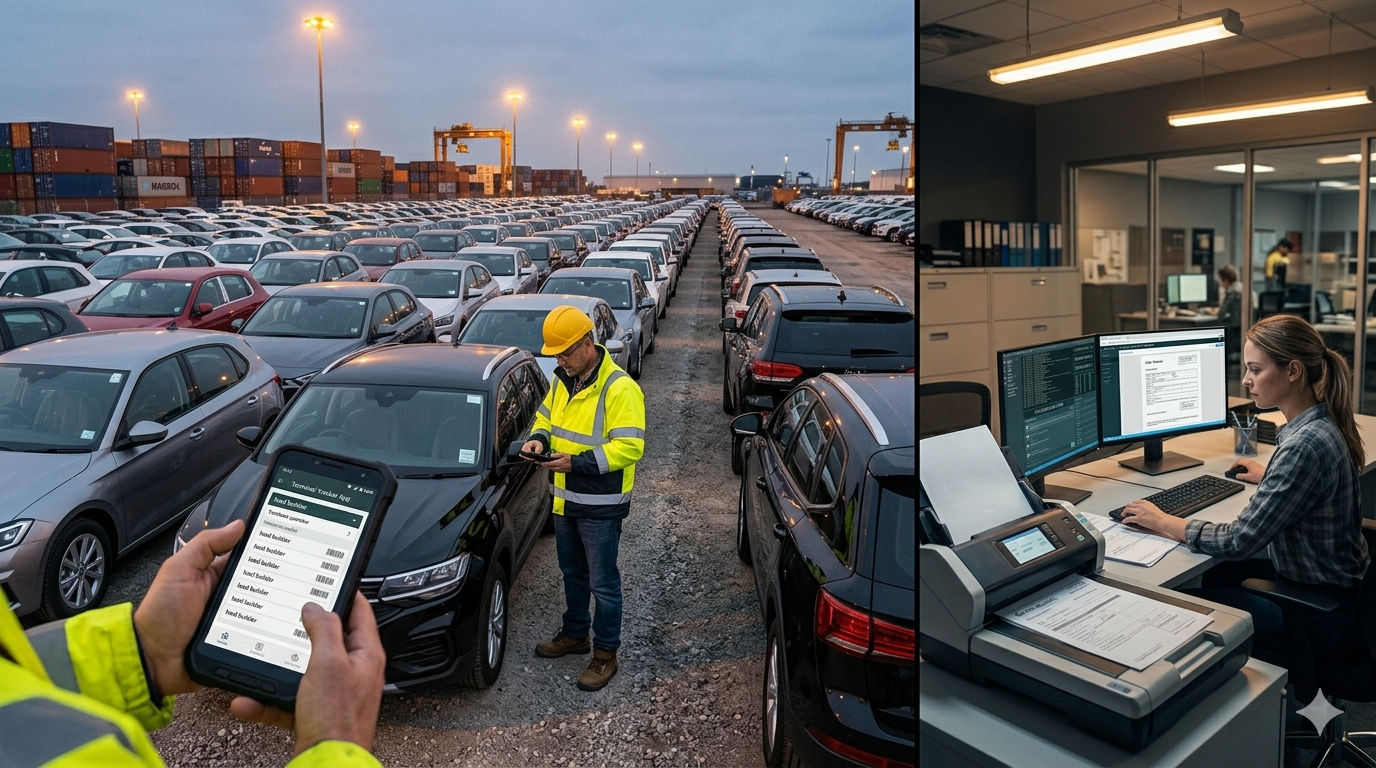
This project was born out of a need to gain better visibility into the movement of car transporters at our vehicle storage compounds. We needed a solution that was low-cost, low-maintenance, and capable of providing real-time data without requiring expensive GPS trackers on every single truck.
The Concept: “Listening” for Trucks
Instead of tracking the trucks themselves, we track their digital footprint. Modern fleet vehicles are broadcasting constant Bluetooth Low Energy (BLE) signals from their on-board systems—digital tachographs, telematics units, and even tyre pressure monitors.
The Ziggy Transporter Tracker is a passive scanner that listens for these specific beacons. When a truck pulls up to the gate, our scanner detects its unique signature and logs the sighting instantly.
The Hardware: Simple & Effective
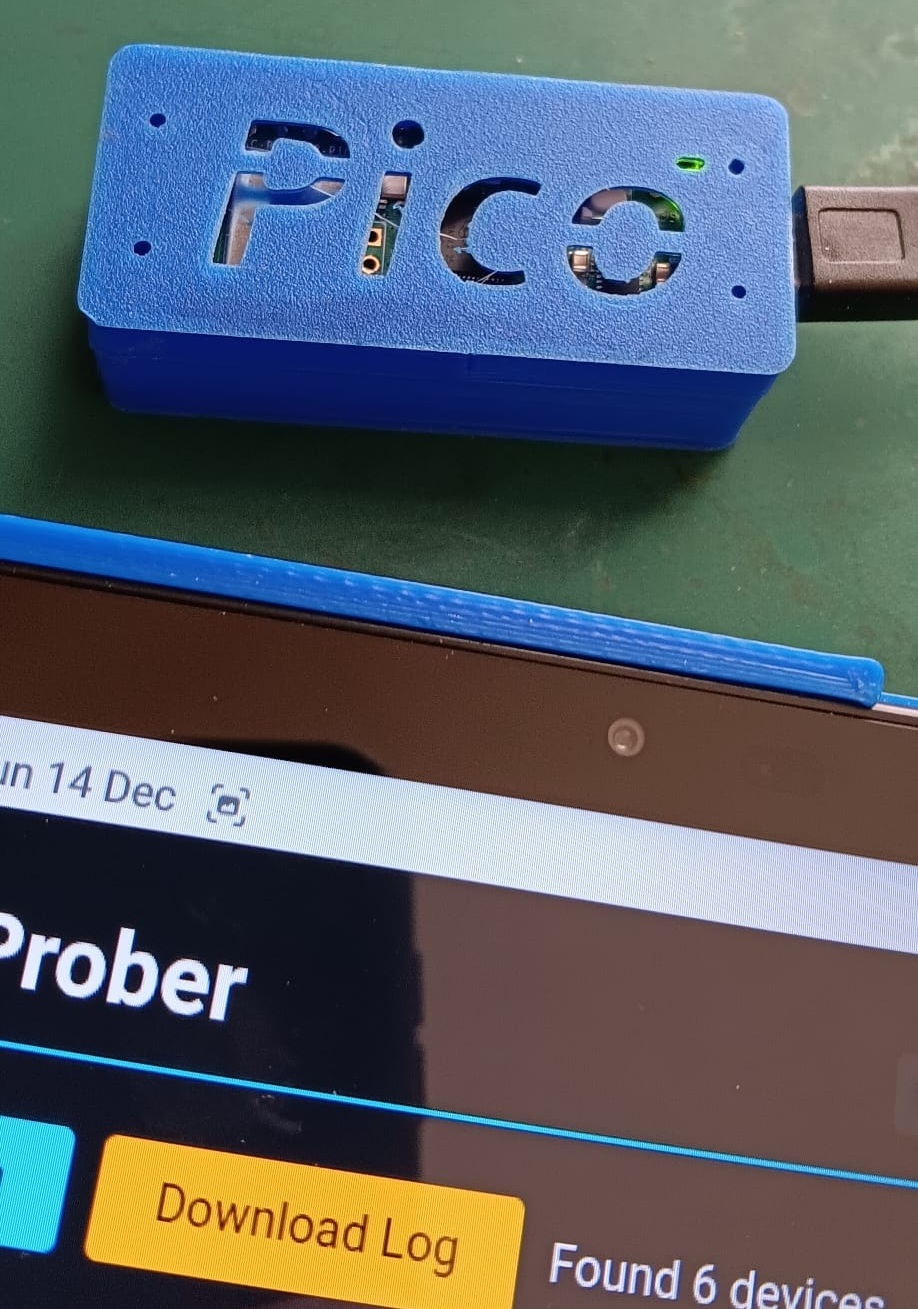
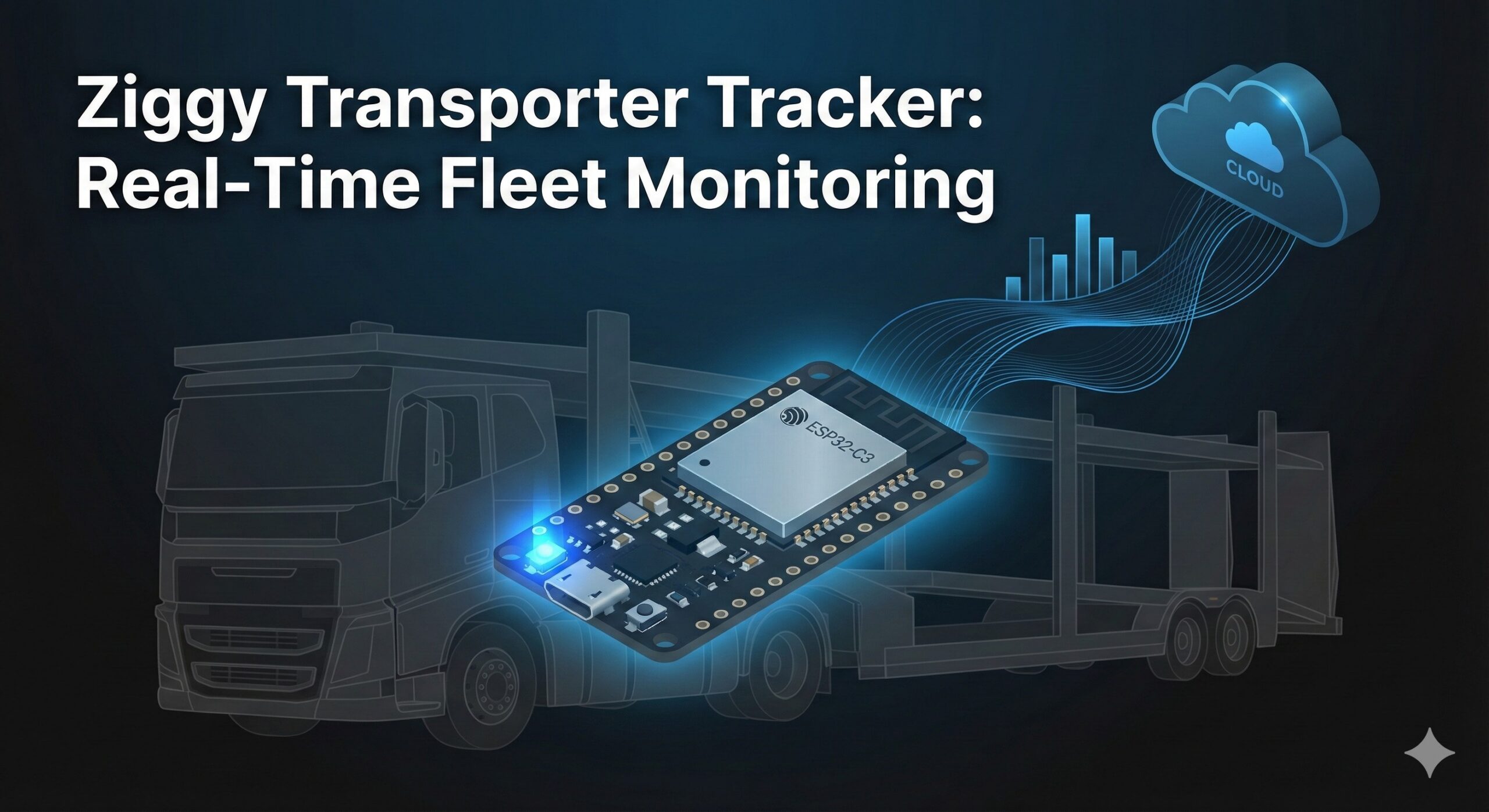
The heart of the system is the ESP32-C3 SuperMini. We chose this microcontroller for its perfect balance of cost, power, and built-in WiFi/Bluetooth capabilities. It’s tiny, affordable, and powerful enough to run MicroPython with our custom scanning logic.
Each scanner is a “Micro Node” that requires zero configuration once deployed. You just plug it into a USB power bank or wall adapter, and it starts hunting.
The Software: “Boot & Blast”
We developed a custom MicroPython firmware that operates on a “Boot & Blast” logic cycle:
- Scan: The device listens for 10 seconds, filtering through the noise of hundreds of random Bluetooth devices (phones, watches, headphones) to find only the signals we care about.
- Filter: We implemented a targeted filter that only records devices with a specific naming convention (e.g.,
GAT*), ensuring our data is clean and relevant. - Buffer: If the WiFi is down or the network is spotty, the scanner saves the data to its internal flash memory.
- Upload: As soon as a connection is available, it “blasts” the accumulated data directly to our backend server via a secure JSON POST request.
This architecture makes the system incredibly resilient. We don’t lose data even if the internet goes down for hours.
Visualization with Grafana
Data is useless without visualization. We pipe the incoming data into a database and visualize it using Grafana.
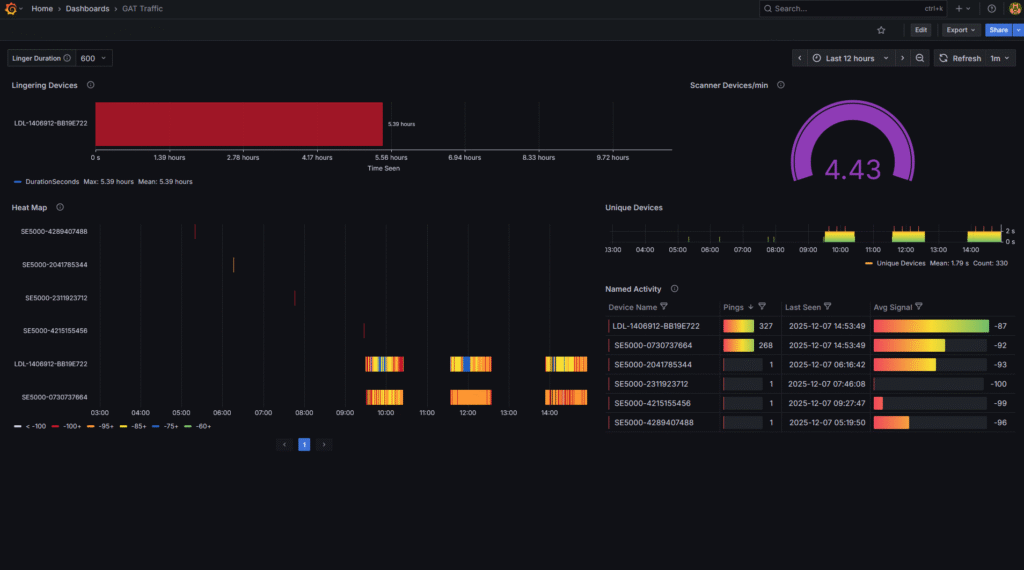
We’ve built custom dashboards that give us a “God’s Eye View” of the compound:
- Live Tracker: See exactly which trucks are currently on-site with a 2-minute latency.
- History Deep Dive: A 7-day retrospective view lets us analyze patterns, turnaround times, and peak activity hours.
- Device Fingerprinting: By tracking multiple signals (Tacho, Tracker, TPMS) simultaneously, we can uniquely identify specific vehicles even if one signal is weak.
Open Source
We believe in sharing knowledge. The core code for the Ziggy Transporter Tracker is available on our GitHub repository. Whether you’re tracking trucks, monitoring warehouse assets, or just experimenting with BLE, you can clone the repo and build your own scanner today.
Check out the project on GitHub
This is just the beginning for the Ziggy platform. We’re already exploring ways to expand its capabilities and integrate it further into our logistics workflow. Stay tuned for more updates!